PM
Jewellery exhibitions in Seoul 2027
Diamond Production Technologies
Lab-Grown Diamonds: Types, Technologies, and Applications
Lab-grown diamonds are engineered crystals that possess the same physical and chemical properties as natural diamonds. However, their characteristics and potential uses vary depending on the production method. The two most widely used technologies for creating lab-grown diamonds are CVD (Chemical Vapor Deposition) and HPHT (High Pressure High Temperature, also referred to as Bars).
Diamond Production Technologies
1. CVD Presses
The CVD process produces exceptionally pure diamonds by precisely controlling the growth of their crystalline lattice. In this method, carbon-rich gas—typically methane—is injected into a vacuum chamber and subjected to high temperatures and plasma. The carbon atoms then deposit onto a substrate and form a lattice that grows uniformly in a single direction. This meticulous process results in diamonds with unparalleled purity and consistency, making them particularly valuable for advanced applications in the semiconductor industry.
2. Bars Presses
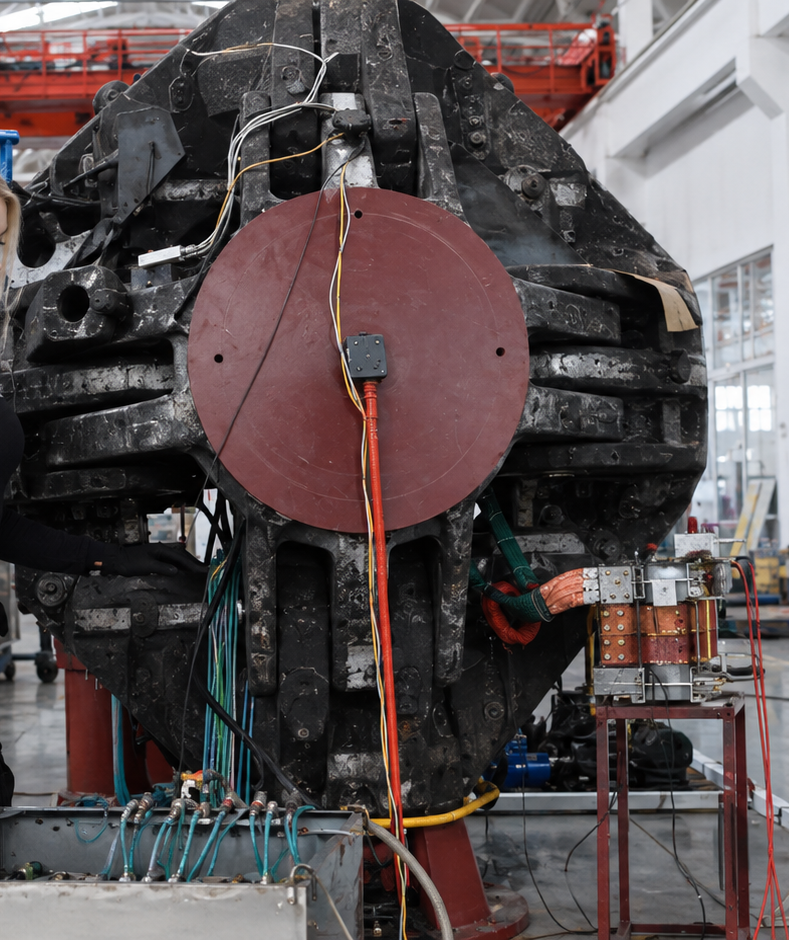
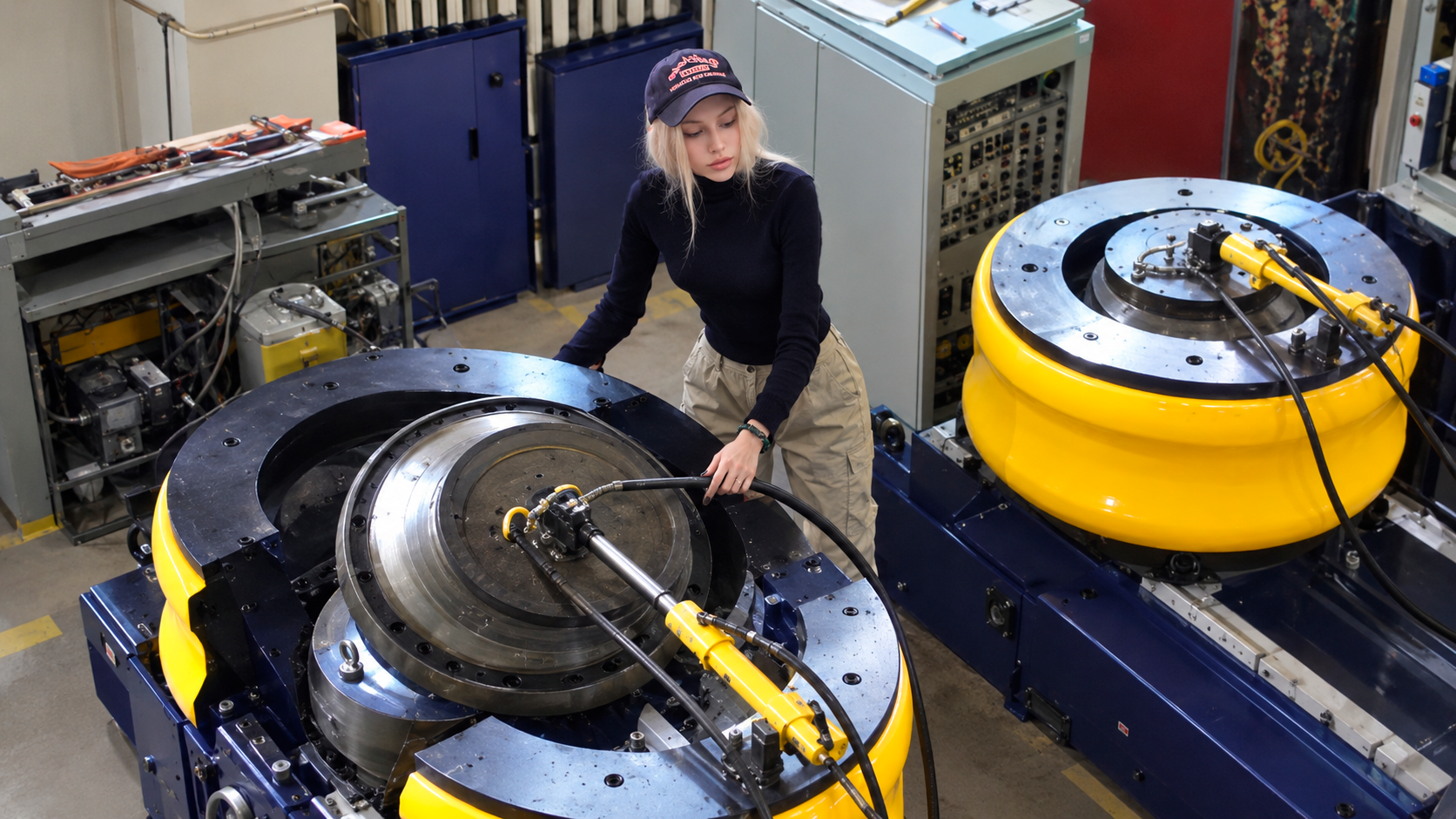
Bars presses replicate the natural conditions under which diamonds form by applying intense pressure and heat. Carbon material is placed in a high-pressure chamber, where it transforms into diamond. Unlike the controlled growth of CVD diamonds, the crystalline lattice in Bars diamonds grows chaotically, mimicking the structure of natural diamonds. This resemblance to natural stones makes Bars diamonds a popular choice for the jewelry industry, where aesthetic appeal is paramount.
Differences in Diamond Production
The fundamental difference between CVD and Bars diamonds lies in their crystalline structure. CVD diamonds are characterized by a flawless lattice that grows exclusively in one direction, making them ideal for high-precision technologies like semiconductors. Conversely, Bars diamonds feature a more chaotic lattice structure, identical to that of natural diamonds, which enhances their visual appeal and makes them better suited for use in jewelry.
By understanding these distinctions, industries can select the right type of lab-grown diamond to meet their specific needs, whether it’s for cutting-edge technology or timeless elegance.